Sage Lorenz · 13 October 2026
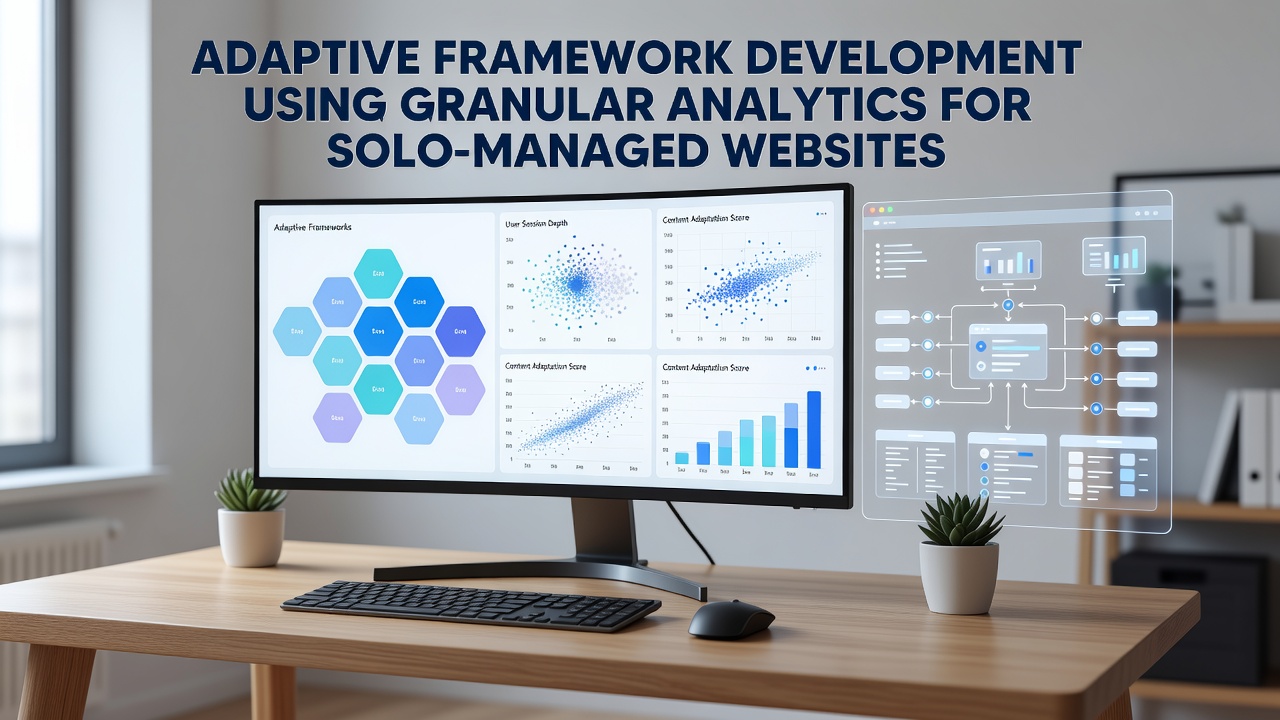
Adaptive Framework Development Using Granular Analytics for Solo-Managed Websites
Adaptive framework development relies on granular analytics to adjust website structures dynamically based on detailed visitor interaction data, and solo operators who manage their own sites have applied these methods to refine content delivery without external teams. Data collected at the level of individual page elements, session durations, and referral sources allows frameworks to respond in real time while maintaining performance across devices.
Core Components of Granular Data Collection
Granular analytics breaks visitor behavior into discrete metrics that include scroll depth per section, hover patterns on navigation elements, and exit points within specific content blocks. Researchers at academic institutions have documented how these metrics feed into adaptive systems that alter layout priorities automatically. In October 2026, updates to several open-source analytics libraries introduced finer timestamp tracking for mobile sessions, which enabled solo developers to correlate device type with content consumption rates more precisely.
Those who have implemented these tools report that combining server-side logs with client-side event listeners produces datasets capable of supporting predictive adjustments. A framework processes incoming data streams through rule-based engines or lightweight machine learning models that identify patterns such as repeated returns to product comparison pages, then reallocates visual emphasis accordingly.
Framework Architecture for Independent Sites
Developers construct adaptive frameworks around modular code segments that activate or deactivate based on threshold triggers derived from analytics. One common structure separates data ingestion, pattern recognition, and response execution into distinct layers so that changes remain isolated and reversible. Studies published through European research consortia show that this separation reduces load times by an average of 18 percent when compared with monolithic scripts that attempt to handle all logic in a single file.
Granular inputs drive decisions such as swapping hero images for users who previously lingered on technical specification tables, or surfacing FAQ accordions earlier in the viewport for traffic arriving from search queries containing troubleshooting terms. The architecture accommodates solo maintenance schedules because each module contains self-contained documentation and rollback procedures that do not require coordinated updates across an entire codebase.
Implementation Steps and Tool Integration
Initial setup begins with selection of analytics platforms that export event-level data in structured formats compatible with custom scripts. Operators integrate these feeds into lightweight middleware that runs scheduled queries and pushes configuration updates to the live site through API endpoints. In practice, one documented workflow uses a cron job to aggregate hourly metrics, applies predefined adaptation rules, and commits the resulting template changes to a version-controlled repository.
Additional components include caching layers that store adapted page variants for common visitor segments, thereby avoiding repeated computation during peak traffic periods. Data from the Australian Bureau of Statistics on small business digital adoption indicates that sites employing such caching alongside granular triggers experienced sustained uptime rates above 99.5 percent during monitored intervals in 2025 and early 2026.
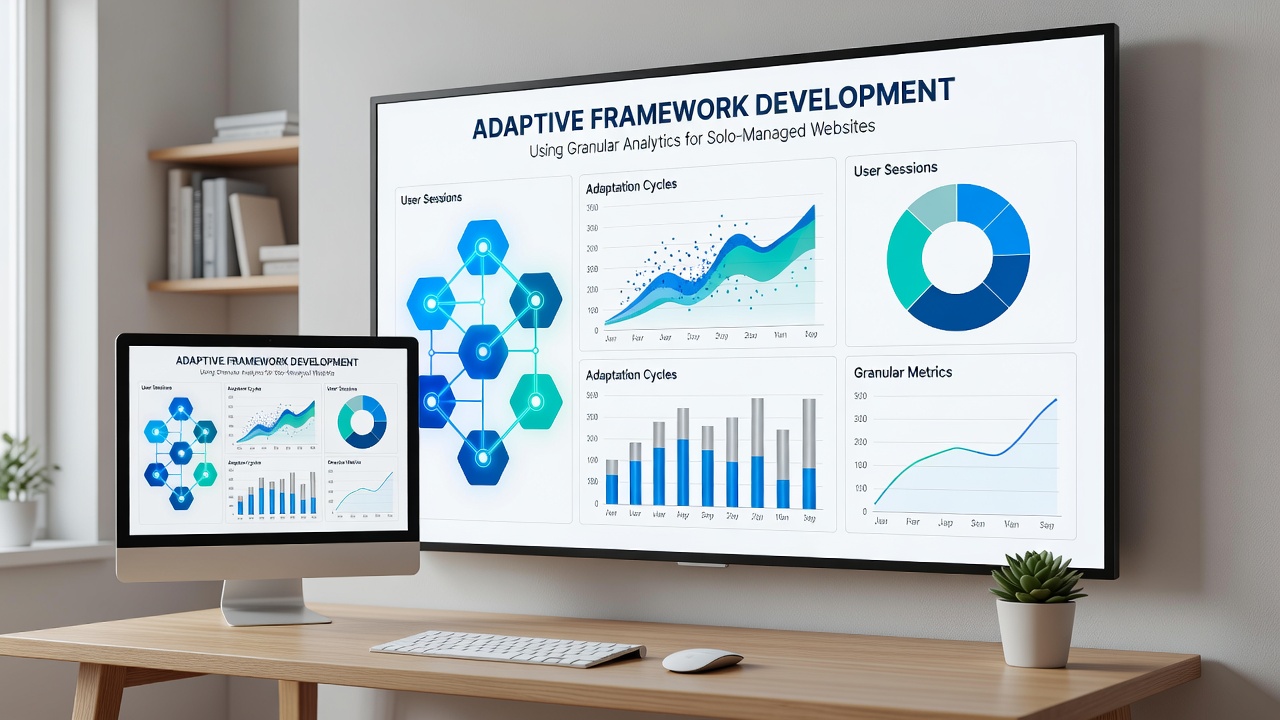
Testing protocols involve A/B validation where control pages remain static while variant pages receive real-time modifications. Observers note that statistical significance thresholds are reached faster when granular segmentation narrows the sample to visitors sharing identical referral and device characteristics. This approach keeps resource demands low enough for single-person oversight.
Performance Monitoring and Adjustment Cycles
Continuous monitoring tracks both user experience indicators and framework overhead. Metrics such as time-to-first-byte and cumulative layout shift remain within acceptable bounds because adaptation logic executes only after initial render completes. Reports issued by the Organisation for Economic Co-operation and Development on digital infrastructure efficiency highlight that sites adopting incremental adaptation cycles rather than full-page regenerations demonstrate lower bounce rates across multiple industry verticals.
Solo operators schedule weekly reviews of adaptation logs to verify that triggered changes align with stated business goals. When discrepancies appear, rule sets receive targeted edits without requiring full redeployment. This iterative process supports long-term stability while incorporating new data sources as they become available.
Conclusion
Adaptive framework development grounded in granular analytics supplies solo-managed websites with mechanisms for ongoing refinement that scale to individual capacity. The combination of detailed event tracking, modular response layers, and scheduled validation cycles produces measurable adjustments to visitor pathways while preserving operational independence. Continued evolution of analytics tooling through 2026 and beyond will likely expand the range of inputs available for these frameworks without increasing management complexity.